
Moth Sanitation, Stopped Before It Spreads
Moth Larvae Eliminated
Eggs, Larvae & Adults Treated
Fiber-Safe Sanitation
Wool, Silk & Antique Safe
100% Satisfaction Guarantee
Or We Re-Treat For Free
Advanced Moth & Pest Treatment
Professional Care for Moth-Affected Rugs
Signs of Infestation
Every Stage of Moth Damage, Identified & Treated
Moth Eggs in the Pile
Larval Fiber Consumption
Webbing & Casings
Adult Moths & Reinfestation Risk
Storage-Related Infestation
Antique & Heirloom Rug Damage
 Runner Rugs
Antique Rugs
Synthetic Rugs
Viscose & Nylon
Bedroom Rugs
Office Rugs
Persian & Oriental Rugs
Silk Rugs
Wool Rugs
Area Rugs
Runner Rugs
Antique Rugs
Synthetic Rugs
Viscose & Nylon
Bedroom Rugs
Office Rugs
Persian & Oriental Rugs
Silk Rugs
Wool Rugs
Runner Rugs
Antique Rugs
Synthetic Rugs
Viscose & Nylon
Bedroom Rugs
Office Rugs
Persian & Oriental Rugs
Silk Rugs
Wool Rugs
Area Rugs
Runner Rugs
Antique Rugs
Synthetic Rugs
Viscose & Nylon
Bedroom Rugs
Office Rugs
Persian & Oriental Rugs
Silk Rugs
Wool Rugs
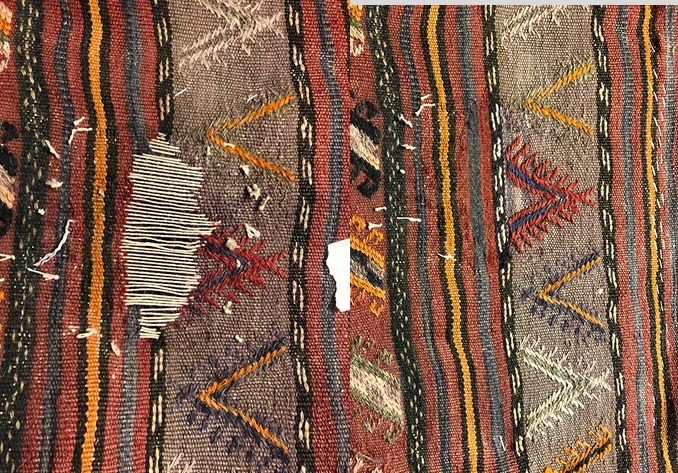
Why Moths Are Silently Dangerous
By the Time You See the Damage, They've Already Been There for Months
Moths Reproduce Fast — Every Week of Delay Means More Fiber Lost
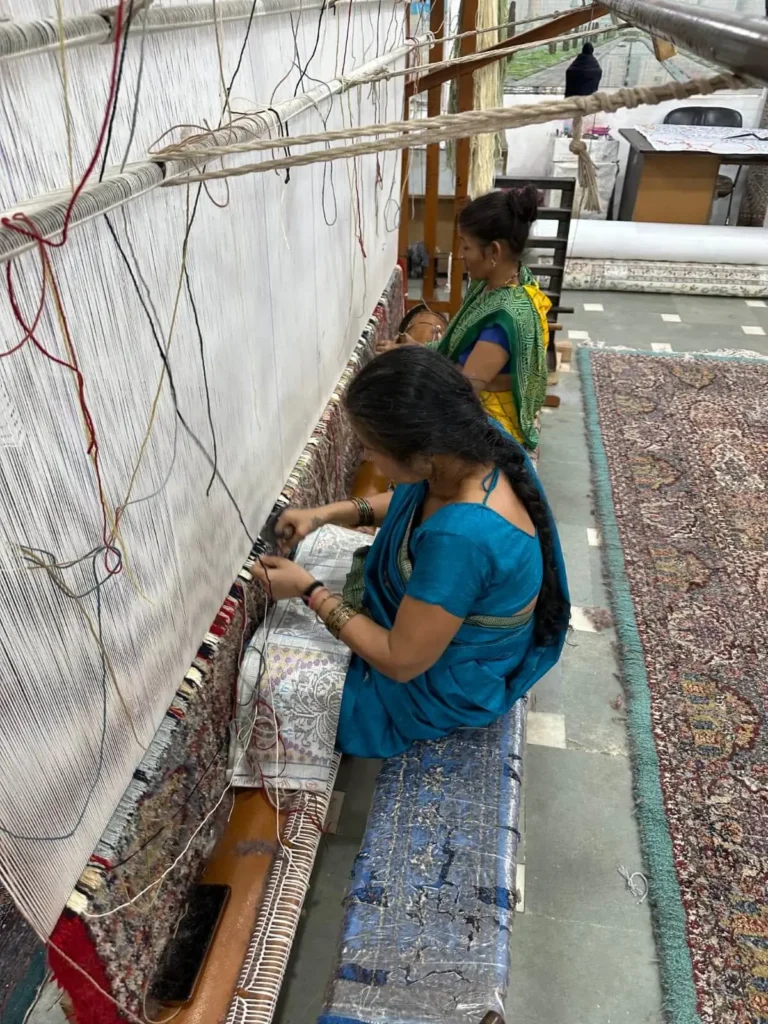
Why Rug Owners Choose Essy Rugs
We Treat the Infestation Completely — Not Just What You Can See
All Life Stages Targeted — Eggs, Larvae & Adults
Most DIY treatments only address one stage. Our sanitation protocol is specifically designed to eliminate all active life stages simultaneously, breaking the reproduction cycle and preventing reinfestation after treatment.
Mechanical Extraction Through Hand-Washing
Our organic hand-wash process physically removes larvae, casings, webbing, and debris from the pile in addition to the chemical sanitation treatment — something no spray-only approach can achieve.
Fiber-Safe for Wool, Silk & Antique Rugs
Our sanitation products are carefully selected to be lethal to moth larvae and eggs while remaining completely safe for the most delicate natural fibers, including antique wool and silk rugs of any age.
Comprehensive Moth Treatment & Preventive Care
Bring your rug in for targeted moth treatment and professional hand-washing. Most rugs are completed within 4–10 business days, depending on their condition and treatment needs.
Real Results
Before & After: Rescued From Moth Damage
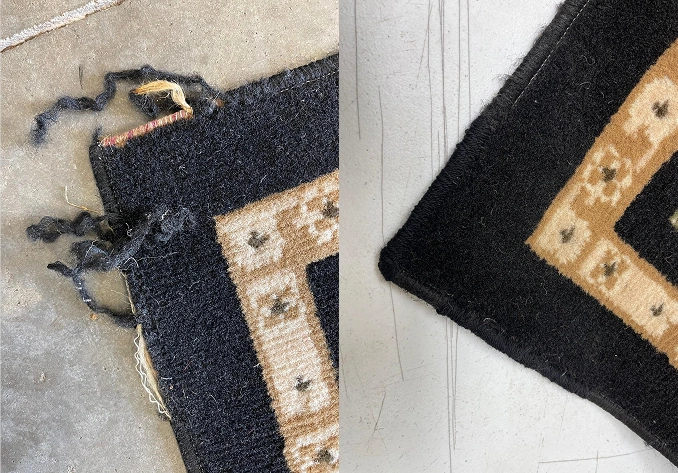
Before
Wool Persian — Active Larval Infestation
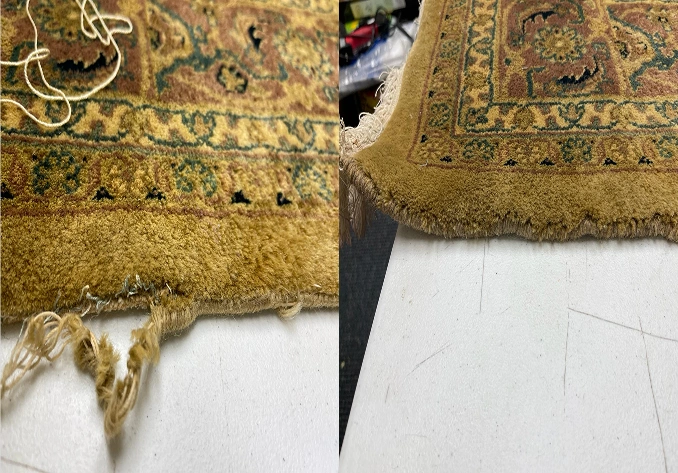
Before
Antique Wool Rug — Storage Infestation
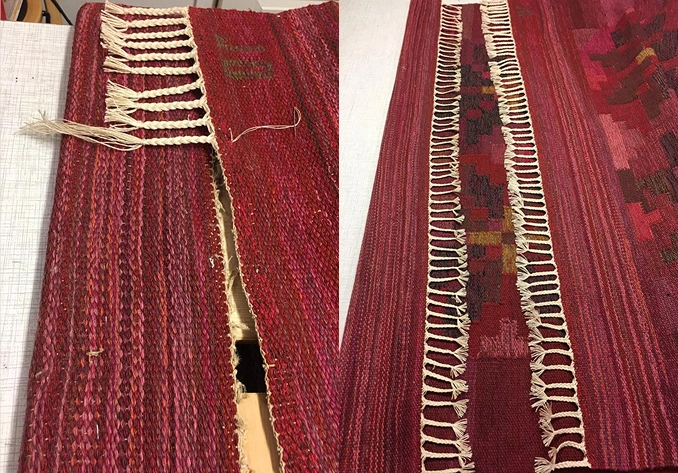
Before
Silk Oriental Rug — Recurring Infestation
Customers Who Saved Their Rugs in Time
Posted on Google
 koestlm
Trustindex verifies that the original source of the review is Google.
Mr. Essy was so patient with me in finding a rug for my den while also trying to shop and discuss with my children with me. I wanted a rug I would love for decades. He has great knowledge and wants the customer to be happy in the end, not just sale the rug. I feel like I have known him for years. I am confident he can help you decide on a rug too!Posted on Google Charlotte NorthI was blown away by the level of care he brought to cleaning my rug. He cleaned it beautifully, and his knowledge made the whole process easy to trust. He clearly knows his craft. His prices are beyond fair, and he’s one of the kindest people I’ve worked with in a long time. He answered all my rug questions with patience and real expertise. A truly positive experience from start to finish — I wouldn’t go anywhere else.Posted on Google
 pinkcufflynxAMAZING CUSTOMER SERVICE!!!! This is my second time purchasing a rug from Essy and he is the best! The quality of both of the rugs is great, and I'll definitely purchase from him again! He was able to work with my schedule.Posted on Google
 Holley HenleyThe best in the business! Essy went the extra mile to bring back to life a rug that most would have discarded and made it look new again at the most reasonable price.Posted on Google
 Nigel MuchenaBeautiful experiencePosted on Google
 Sanjeev SinhaLiked Essy, the owner, and his dealing with the customer. He is a very good seller who helped in selecting a nice rug. The price was reasonable.Posted on Google
 Tyrone
Trustindex verifies that the original source of the review is Google.
I had a black & white rug that had never been cleaned in 12 years. Essy Rugs not only made it look brand new the price and turnaround time made it elegant! I own residential rental properties. I will be referring all of my tenants to Easy Rugs for services.Posted on Google Hassen FakesTook great care of my mother-in-law’s rugs! Cleaned and repaired impeccably! Value and expertise unparalleledPosted on Google
 Rohit ChaudharyBest rug repairing service in Montgomery.
Questions & Answers
Moth Sanitation FAQ
The most common signs are irregular bald or thinning patches in the pile, fine silky webbing along the surface or backing, tiny shed casings resembling grains of rice, and the presence of small cream-coloured moths near the rug. Moths prefer dark, undisturbed areas — so damage is often found along rug edges, beneath furniture, and in areas that are rarely vacuumed or moved. If you notice any of these signs, contact us promptly — the sooner treatment begins, the less fiber is lost.
Sanitation stops the damage — it does not reverse fiber loss that has already occurred. However, once the infestation is completely eliminated, we can assess the rug for repair and restoration options. Depending on the extent of the damage, reweaving or pile restoration may be possible. We will give you an honest evaluation of what can be achieved after treatment.
Cedar and moth balls work primarily as repellents or adult-moth deterrents — they do not kill eggs or larvae effectively, and their potency diminishes quickly. Once larvae are established in a rug, no surface repellent can reach them. Professional sanitation is the only way to fully eliminate an active infestation across all life stages.
Yes. Our sanitation products and methods are specifically chosen for compatibility with delicate natural fibers including silk, antique wool, and heirloom pieces of any age. We have successfully treated hundreds of irreplaceable antique rugs without damage to dyes or fiber structure. The treatment is always combined with our gentle organic hand-wash process.
Typically 4–10 business days from pickup to delivery. This covers full inspection, sanitation treatment, organic hand-washing front and back, controlled flat drying, and a final check before return. We also include written post-treatment care guidance on proper storage to prevent reinfestation.
No — Essy Rugs does not currently offer pickup and delivery. Customers can bring their rugs to our facility for professional moth treatment, sanitation, and hand-washing based on the rug’s material, condition, and treatment needs.
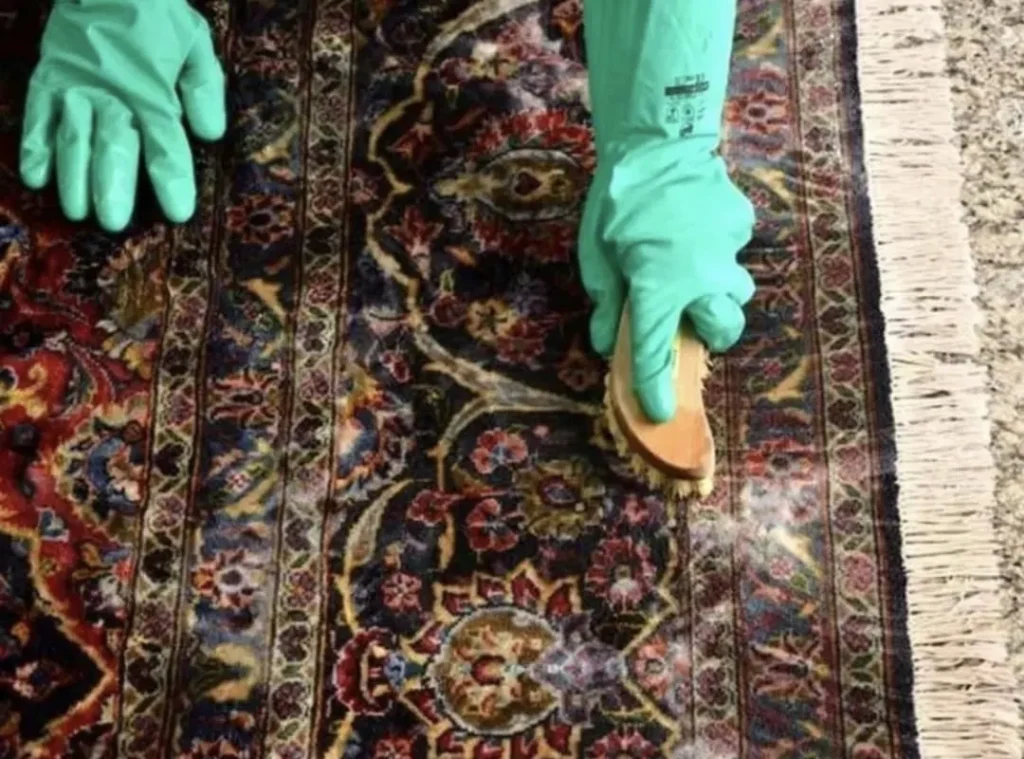
Not Sure If Your Stain Can Be Removed?
Get Started Today
Request Your Free Moth Sanitation Quote
Fields marked with * are required. We typically respond within a few hours during business hours (Mon–Sat, 10:30am–04:30pm).
- Advanced Moth Treatment & Sanitation
- Full Life Cycle Elimination — Eggs, Larvae & Adults
- Fiber-Safe for Wool, Silk & Antique Rugs
- 100% Satisfaction Guarantee
- Call Direct: +1 (334) 676-3311