
Mold Damage, Eliminated at the Root
Professional mold remediation for rugs — from early-stage spore contamination to advanced structural mold growth. We destroy the mold at every layer, restore the fiber, and prevent it from returning.
Root-Level Mold Elimination
Spores, Mycelium & Surface Growth
Mold Inhibitor Treatment
Reduces Risk of Recurrence
100% Satisfaction Guarantee
Or We Re-Treat For Free
Skilled & Certified Experts
Professional Trained Team
Types of Mold Damage We Treat
Every Stage of Mold Growth, Identified & Remediated
Early-Stage Spore Contamination
Musty Odor Without Visible Growth
Visible Surface Mold Growth
Backing & Foundation Mold
Storage & Long-Term Moisture Mold
Antique & Heirloom Rug Mold
 Runner Rugs
Antique Rugs
Synthetic Rugs
Viscose & Nylon
Bedroom Rugs
Office Rugs
Persian & Oriental Rugs
Silk Rugs
Wool Rugs
Area Rugs
Runner Rugs
Antique Rugs
Synthetic Rugs
Viscose & Nylon
Bedroom Rugs
Office Rugs
Persian & Oriental Rugs
Silk Rugs
Wool Rugs
Runner Rugs
Antique Rugs
Synthetic Rugs
Viscose & Nylon
Bedroom Rugs
Office Rugs
Persian & Oriental Rugs
Silk Rugs
Wool Rugs
Area Rugs
Runner Rugs
Antique Rugs
Synthetic Rugs
Viscose & Nylon
Bedroom Rugs
Office Rugs
Persian & Oriental Rugs
Silk Rugs
Wool Rugs
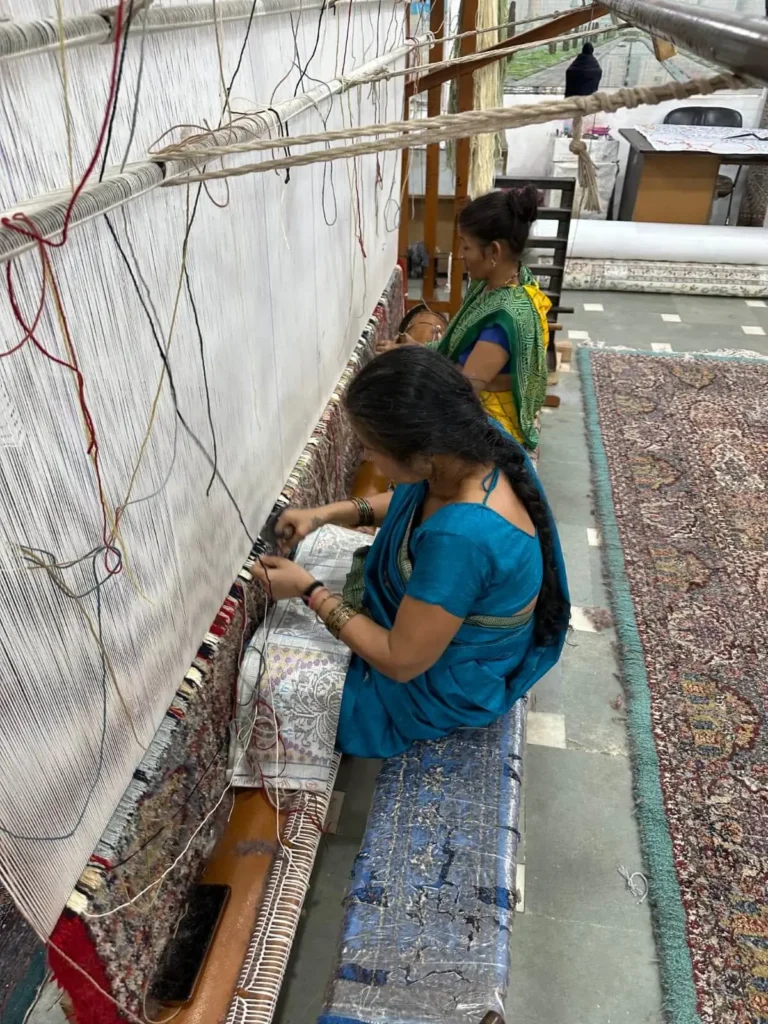
Why Mold in Rugs Is More Serious Than It Looks
What You Can See on the Surface Is Never the Full Picture
Mold Spreads Continuously — And It Doesn't Stop on Its Own
Why Rug Owners Choose Essy Rugs for Mold Treatment
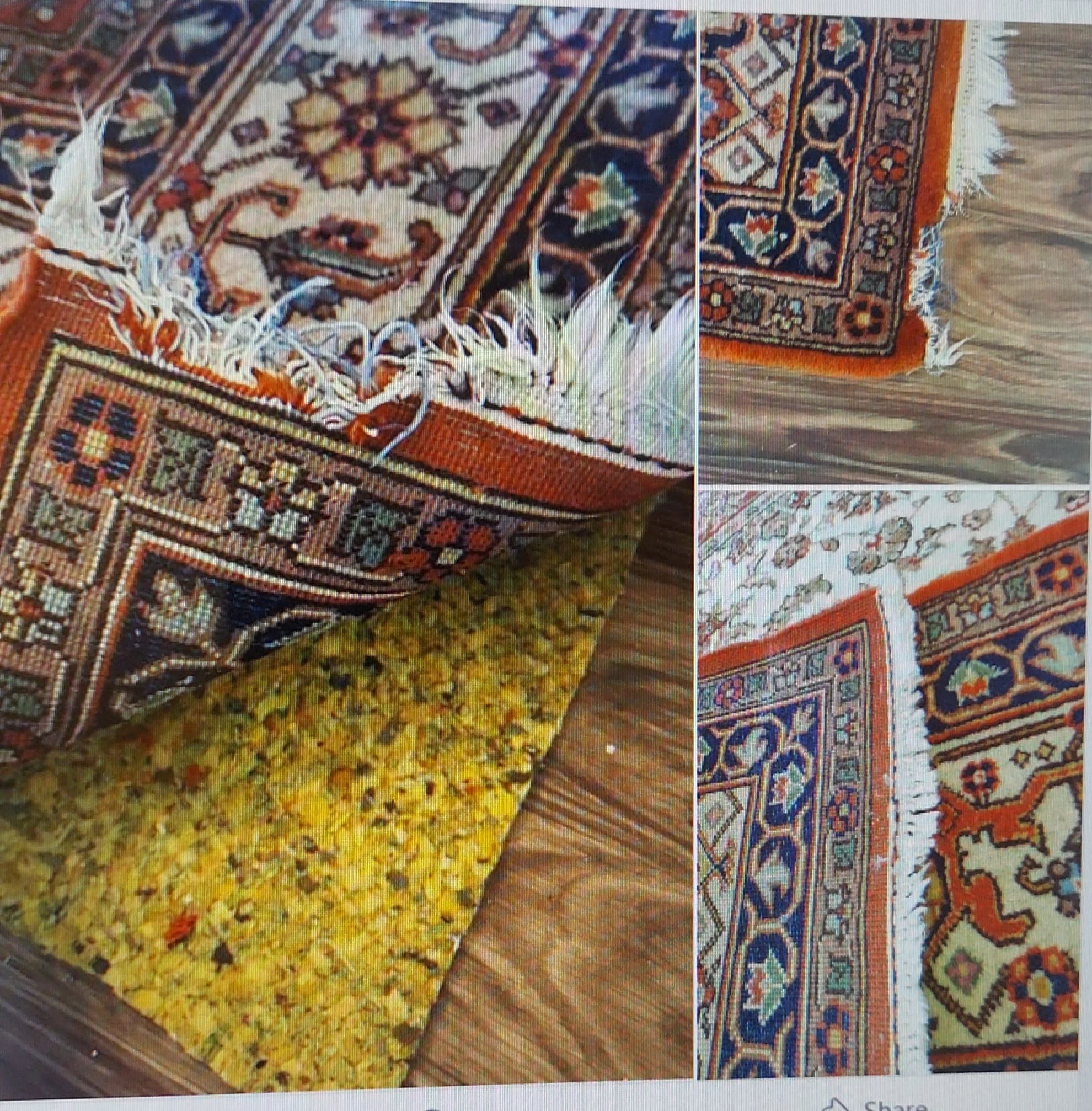
We Treat Every Layer — Not Just What You Can See
Full-Depth Remediation — Pile, Foundation & Backing
We apply mold inhibitor treatment separately to the pile face, the foundation layer, and the backing — the three zones where mold establishes at different rates and with different densities. Surface treatment alone leaves the deeper colony intact and the problem unresolved.
Hand-Wash Physically Extracts the Dead Colony
After inhibitor treatment kills the mold, our organic hand-wash physically removes the dead colony, spores, and debris from the pile. This step is what distinguishes genuine remediation from surface treatment — the dead mold is removed, not left in the fiber to decompose and cause ongoing odor.
Post-Treatment Mold Inhibitor Applied
Once the rug is clean and dry, we apply a residual mold inhibitor to the backing and foundation — reducing the risk of recurrence if the rug is subsequently exposed to humidity. We also provide written care and storage guidance specific to your rug and your environment.
Comprehensive Mold Remediation & Rug Care
Bring mold-affected rugs to our facility for professional cleaning and treatment. Each rug is carefully assessed, treated according to its condition, and inspected before it is prepared for collection.
Real Results
Before & After: Mold Remediated, Rugs Restored
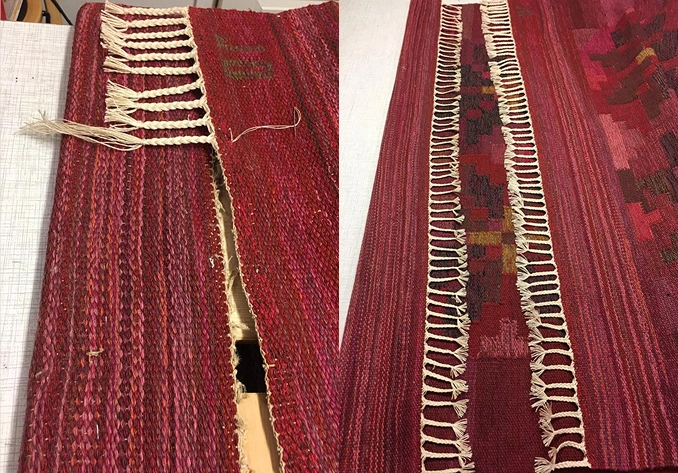
Before
Wool Persian — Basement Humidity Mold
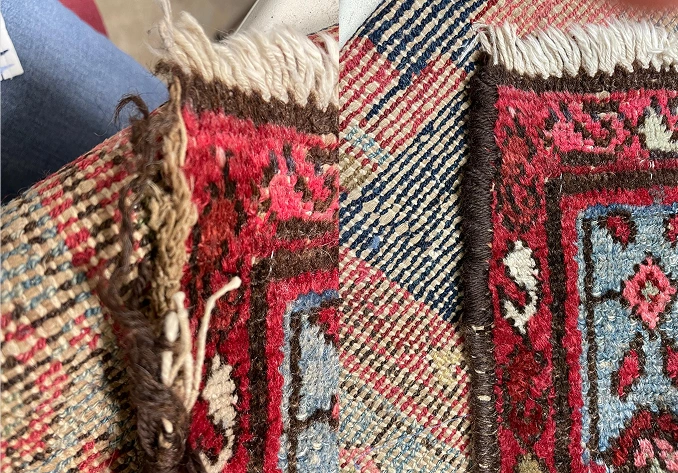
Before
Wool Area Rug — Hidden Backing Colony
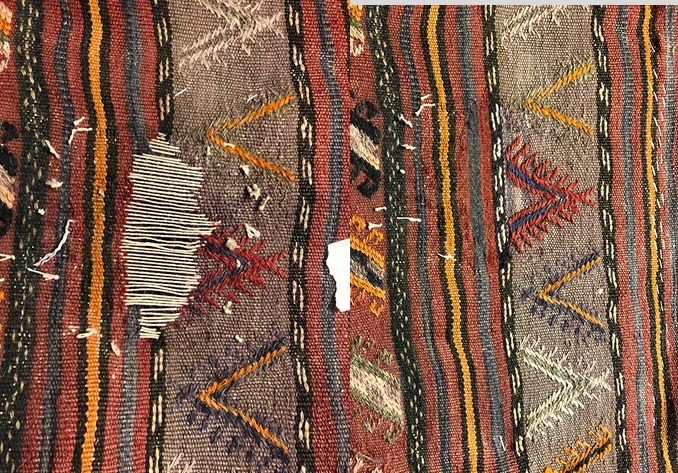
Before
Antique Silk Rug — Post-Flood Mold
Customers Who Recovered Rugs They Thought Were Lost
Posted on Google
 koestlm
Trustindex verifies that the original source of the review is Google.
Mr. Essy was so patient with me in finding a rug for my den while also trying to shop and discuss with my children with me. I wanted a rug I would love for decades. He has great knowledge and wants the customer to be happy in the end, not just sale the rug. I feel like I have known him for years. I am confident he can help you decide on a rug too!Posted on Google Charlotte NorthI was blown away by the level of care he brought to cleaning my rug. He cleaned it beautifully, and his knowledge made the whole process easy to trust. He clearly knows his craft. His prices are beyond fair, and he’s one of the kindest people I’ve worked with in a long time. He answered all my rug questions with patience and real expertise. A truly positive experience from start to finish — I wouldn’t go anywhere else.Posted on Google
 pinkcufflynxAMAZING CUSTOMER SERVICE!!!! This is my second time purchasing a rug from Essy and he is the best! The quality of both of the rugs is great, and I'll definitely purchase from him again! He was able to work with my schedule.Posted on Google
 Holley HenleyThe best in the business! Essy went the extra mile to bring back to life a rug that most would have discarded and made it look new again at the most reasonable price.Posted on Google
 Nigel MuchenaBeautiful experiencePosted on Google
 Sanjeev SinhaLiked Essy, the owner, and his dealing with the customer. He is a very good seller who helped in selecting a nice rug. The price was reasonable.Posted on Google
 Tyrone
Trustindex verifies that the original source of the review is Google.
I had a black & white rug that had never been cleaned in 12 years. Essy Rugs not only made it look brand new the price and turnaround time made it elegant! I own residential rental properties. I will be referring all of my tenants to Easy Rugs for services.Posted on Google Hassen FakesTook great care of my mother-in-law’s rugs! Cleaned and repaired impeccably! Value and expertise unparalleledPosted on Google
 Rohit ChaudharyBest rug repairing service in Montgomery.
Common Questions
Mold Damage FAQ
In most cases yes — provided the mold has not caused irreversible structural fiber degradation. Mold consumes the keratin in natural fibers over time, and advanced colonies left untreated for extended periods can weaken or destroy fiber structure to the point where recovery is only partial. The earlier treatment begins, the higher the chance of complete restoration. We assess every rug individually and give you an honest evaluation before any work begins
Surface treatments — sprays, UV exposure, steam — reach only the face pile of the rug. The mold colony in most affected rugs is established primarily in the backing and foundation layer, where these treatments cannot penetrate. Steam can also introduce additional moisture that, if not completely extracted, feeds the colony rather than killing it. Effective remediation requires products and techniques that reach every layer of the rug, including full immersion washing and controlled drying.
Yes. We select mold inhibitor products and washing techniques specifically calibrated for each fiber type. Delicate materials — silk, antique wool, heirloom pieces — receive a gentler protocol that achieves full remediation without compromising fiber integrity or dye stability. We have successfully treated antique and irreplaceable rugs affected by mold without any additional damage to the piece.
Our treatment eliminates the existing colony and applies a residual mold inhibitor to reduce the risk of recurrence. However, mold can re-establish if the rug is subsequently stored or used in conditions that provide the necessary moisture — typically above 60% relative humidity in a poorly ventilated space. We provide written guidance on storage conditions, humidity management, and preventive care to help ensure the mold does not return after treatment.
Typically 5–10 business days from pickup to delivery, depending on the severity of the mold damage and the fiber type. The process includes inspection, mold inhibitor pre-treatment of all layers, organic hand-washing, enzyme deodorization bath, complete controlled flat drying, post-treatment inhibitor application, and a final quality check. We do not return a rug until every layer is fully dry — this is non-negotiable to prevent immediate re-establishment of mold.
No — Essy Rugs does not currently offer pickup and delivery services. Customers can bring mold-affected rugs to our facility for professional assessment, cleaning, and mold treatment based on the rug’s material, construction, and condition.
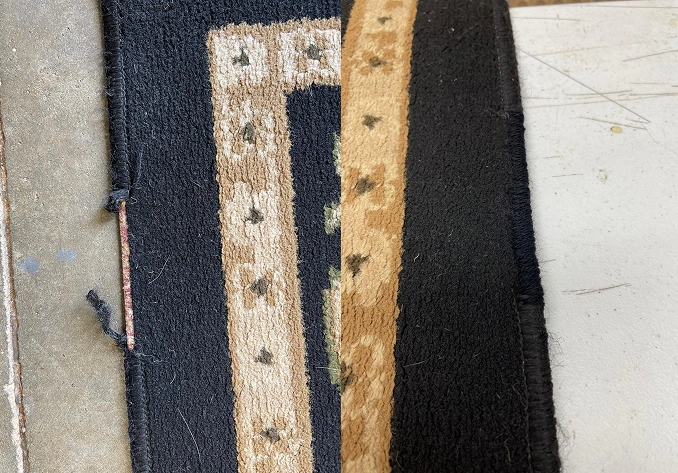
Smell Mustiness or See Discolouration? Don't Wait.
Get Started Today
Request Your Free Mold Remediation Quote
Fields marked with * are required. We typically respond within a few hours during business hours (Mon–Sat, 10:30am–04:30pm).
- Full-Depth Remediation — Pile, Foundation & Backing
- Post-Treatment Mold Inhibitor Applied
- 100% Satisfaction Guarantee
- Call Direct: +1 (334) 676-3311